

Service Learning
Services Learning
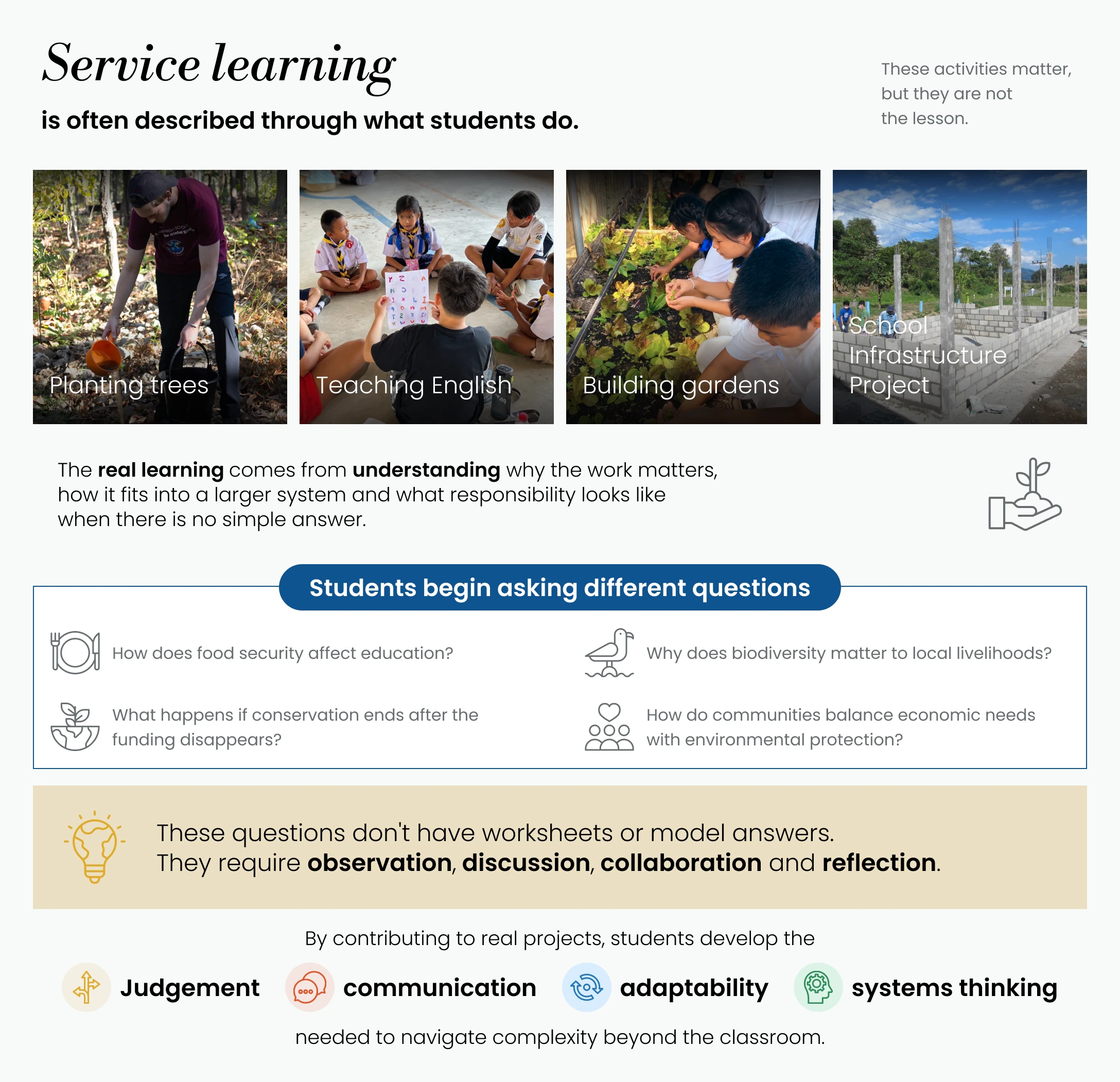
“At Worldwise Edventures, service learning begins with a simple question: What is genuinely needed here?”
The best service learning doesn't begin with what students want to do.
It begins with what communities actually need.
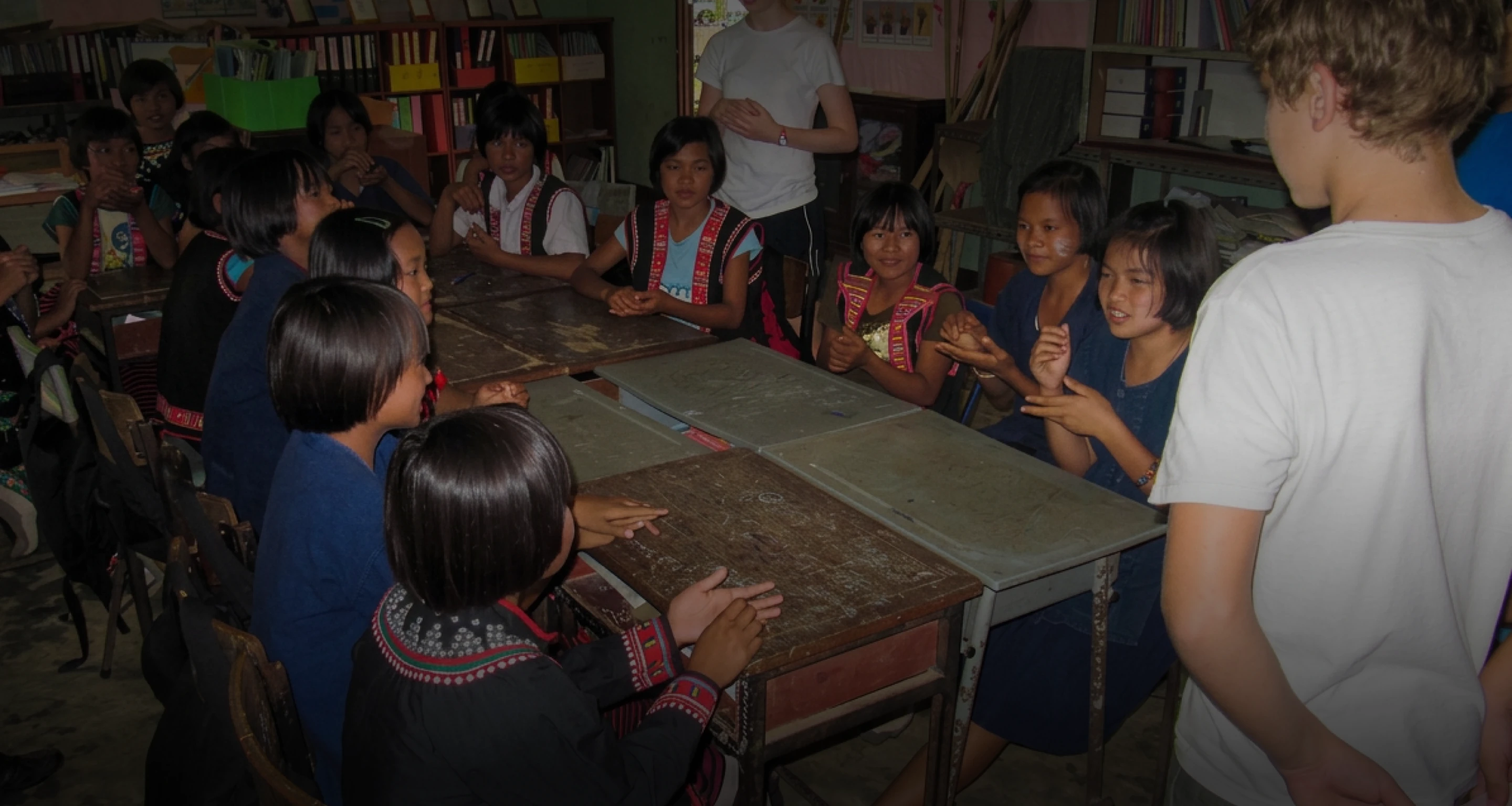
At Worldwise Edventures, every programme starts by listening. We work alongside schools, local leaders and community partners to understand existing priorities before designing experiences that allow students to contribute to work already underway. Students don't arrive to create projects for a week. They become part of projects with a history and a future.
That changes the experience for everyone involved. Communities receive work that is genuinely useful. Students gain something far more valuable than the satisfaction of volunteering. They learn what it means to contribute responsibly to something larger than themselves.
Rethinking Service Learning
Many service learning programmes are built around good intentions. Students travel overseas, complete a project and return home with stories to tell. The challenge is that meaningful impact rarely fits neatly into a school calendar.
Communities don't pause while students arrive, and they don't stop needing support when the buses leave. Lasting change comes through continuity, not one-off interventions.
For that reason, we design programmes around partnerships that already exist. The work students contribute to has usually been progressing for months or years before they arrive and will continue long after they have left. Rather than asking communities to adapt around visiting groups, we adapt our programmes around community priorities.
The result is service learning that feels less like volunteering and more like participating in a living system.
“Students don't become the centre of the story. They become part of one that's already being written.”
Our Approach
Every service learning programme is guided by four principles that shape how we design experiences, choose projects and work alongside communities.

Community first

Contribution before experience

Building capacity, not dependency

Partnerships that grow over time
Community first
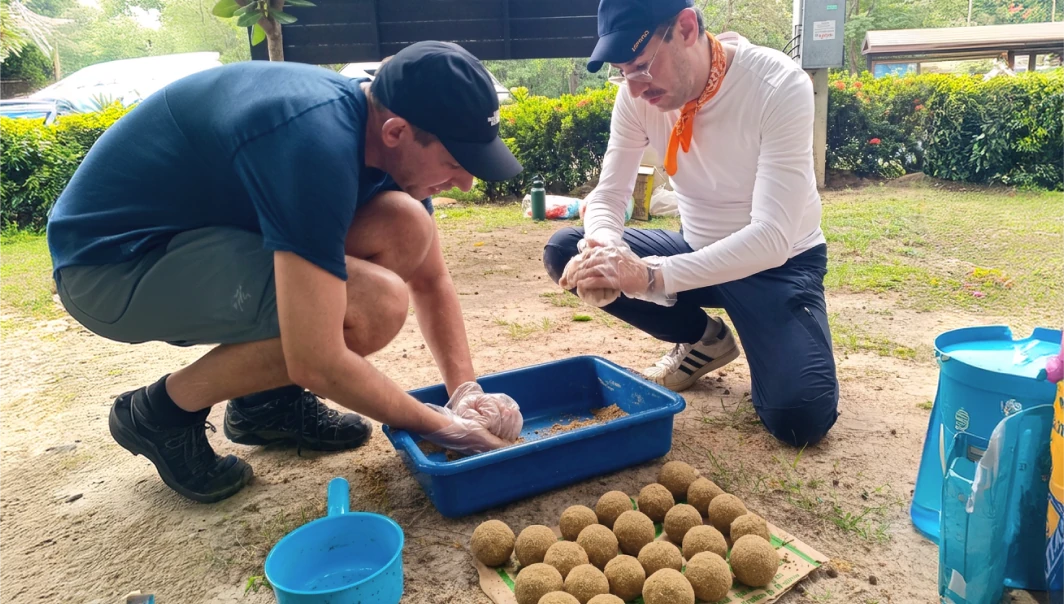
Contribution before experience
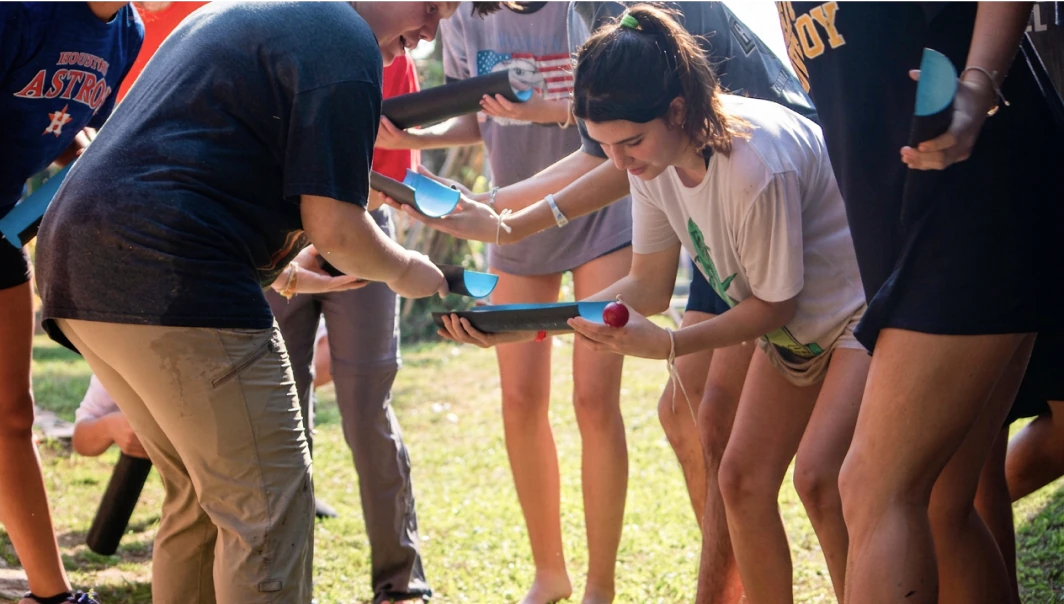
Building capacity, not dependency
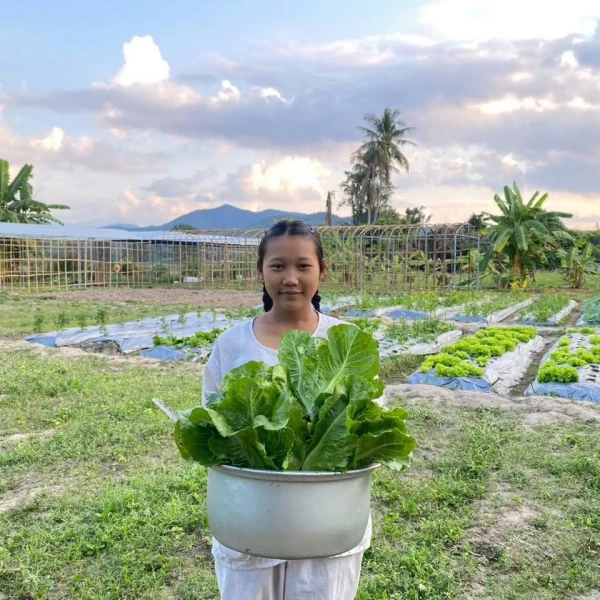
- A school garden should continue producing food.
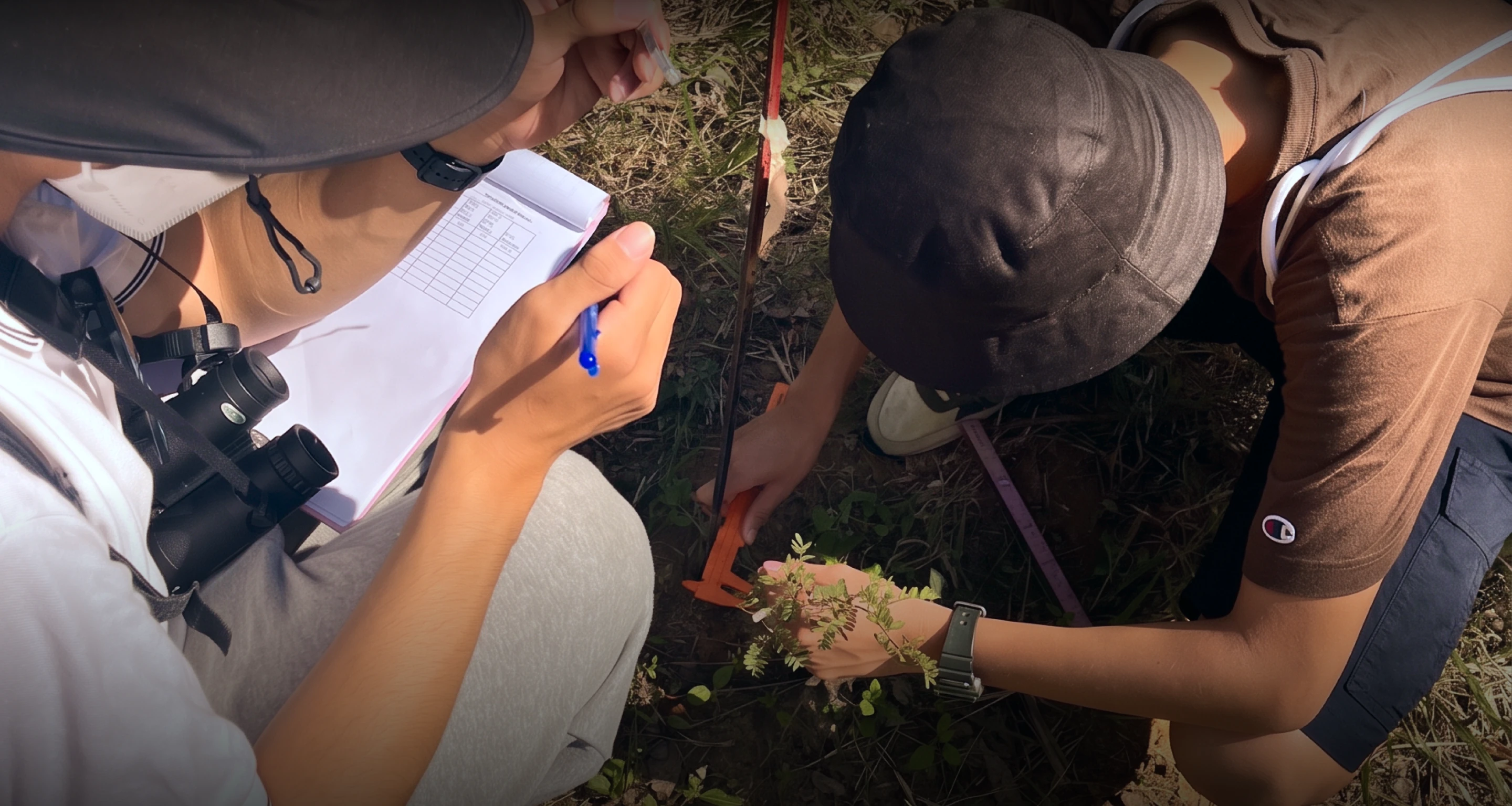
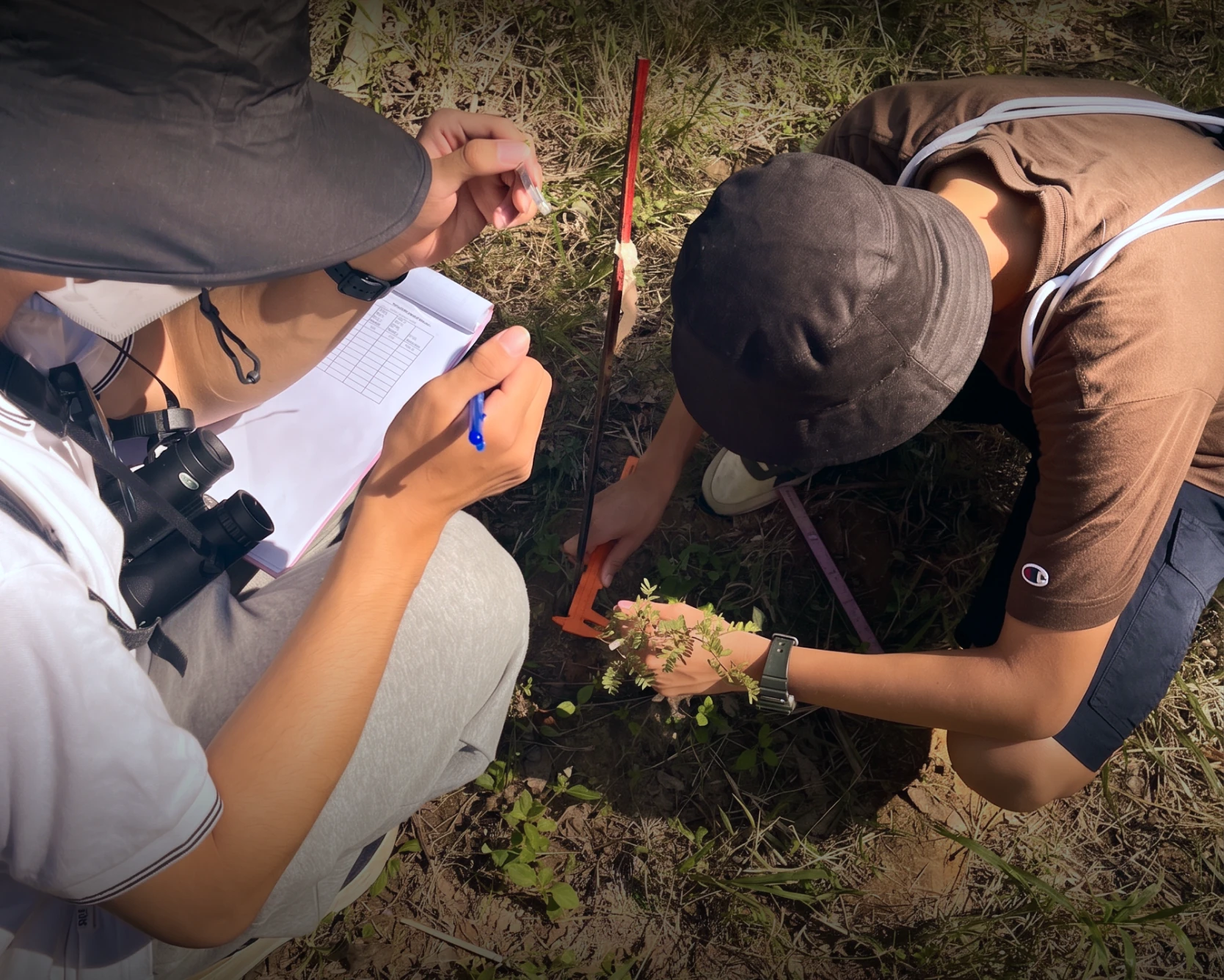
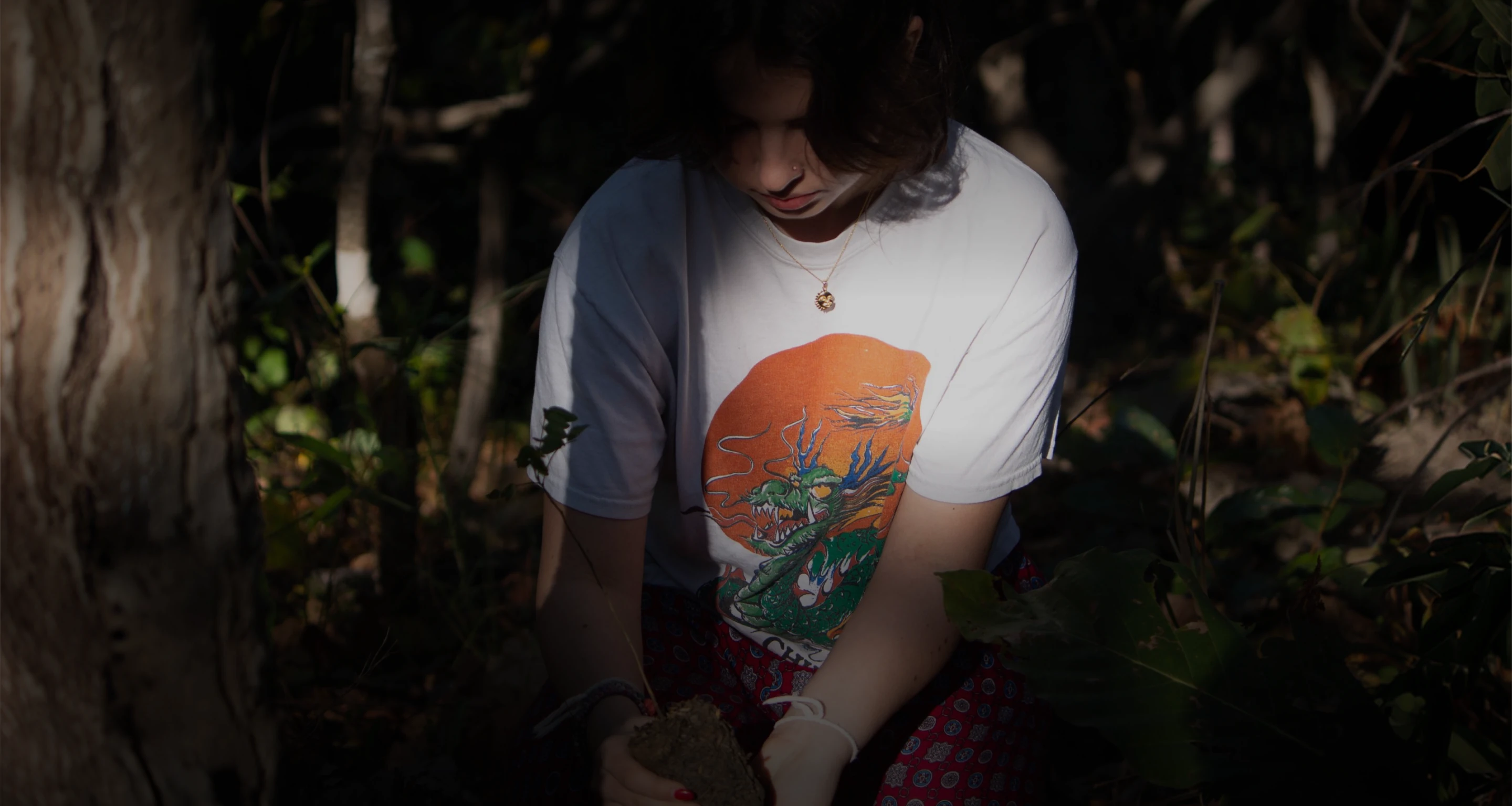
- A reforestation project should continue growing.
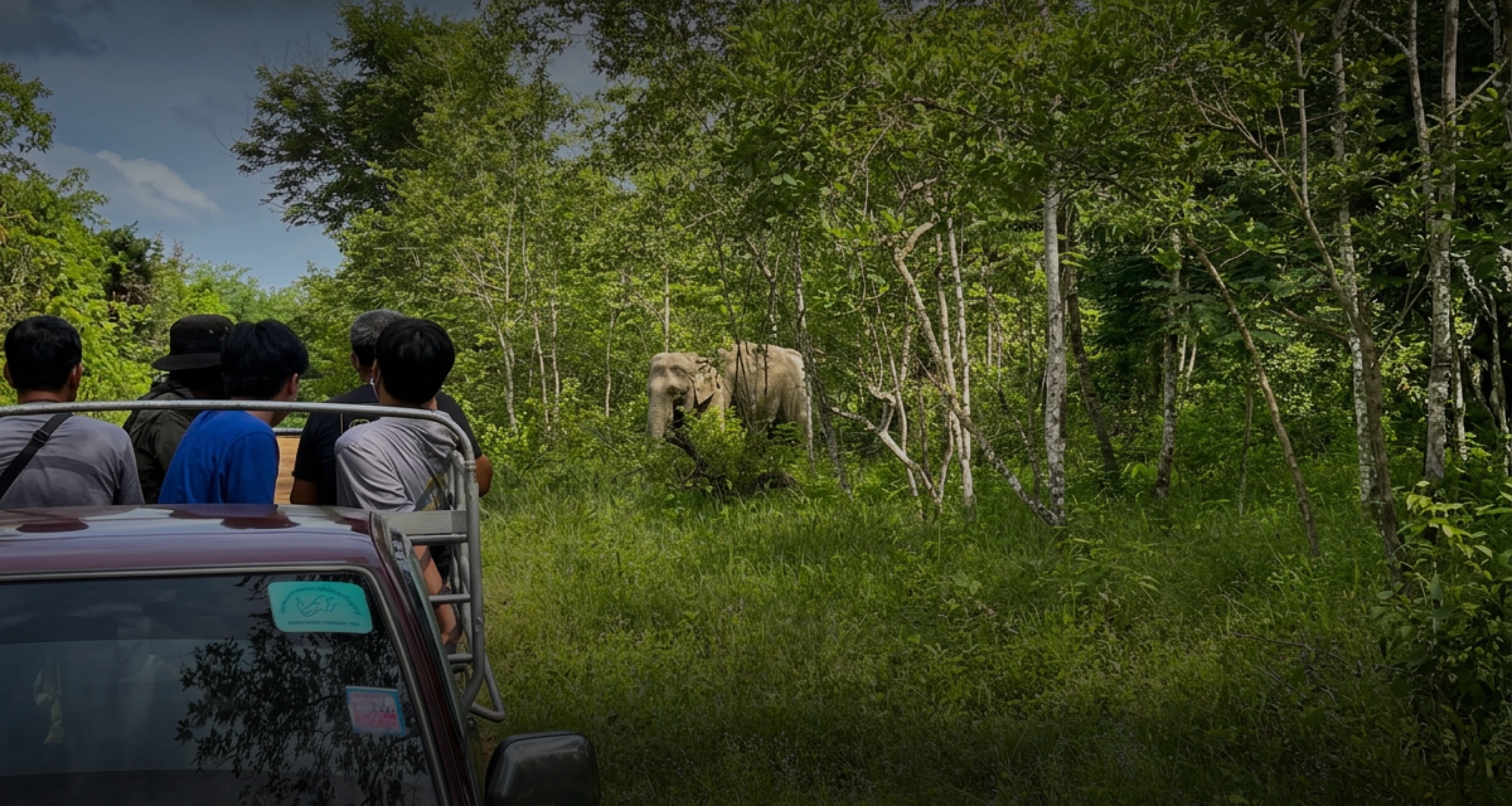
- A conservation programme should continue collecting data.
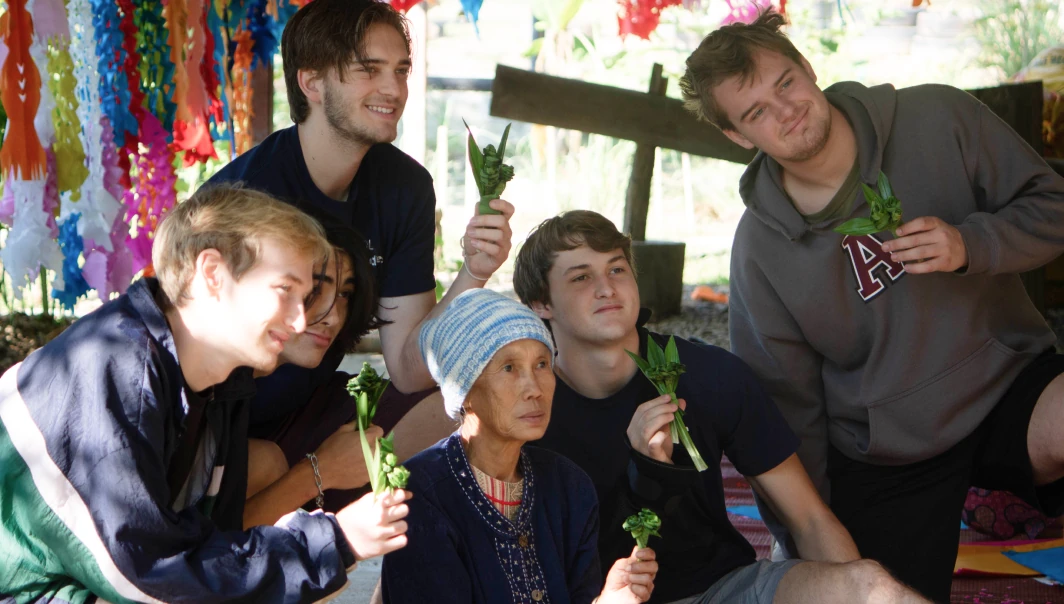
Partnerships that grow over time
Many of our community partnerships have developed through repeated collaboration, allowing projects to evolve naturally as local priorities change.
Returning schools become part of an ongoing story. Students understand that they are contributing one chapter to work that will continue long after they graduate.
What Students Really Learn
Long-Term Projects, Lasting Partnerships
Long-Term Projects, Lasting Partnerships
Long-Term Projects, Lasting Partnerships
Long-Term Projects, Lasting Partnerships

Long-Term Projects, Lasting Partnerships

Long-Term Projects, Lasting Partnerships
Measuring What Matters
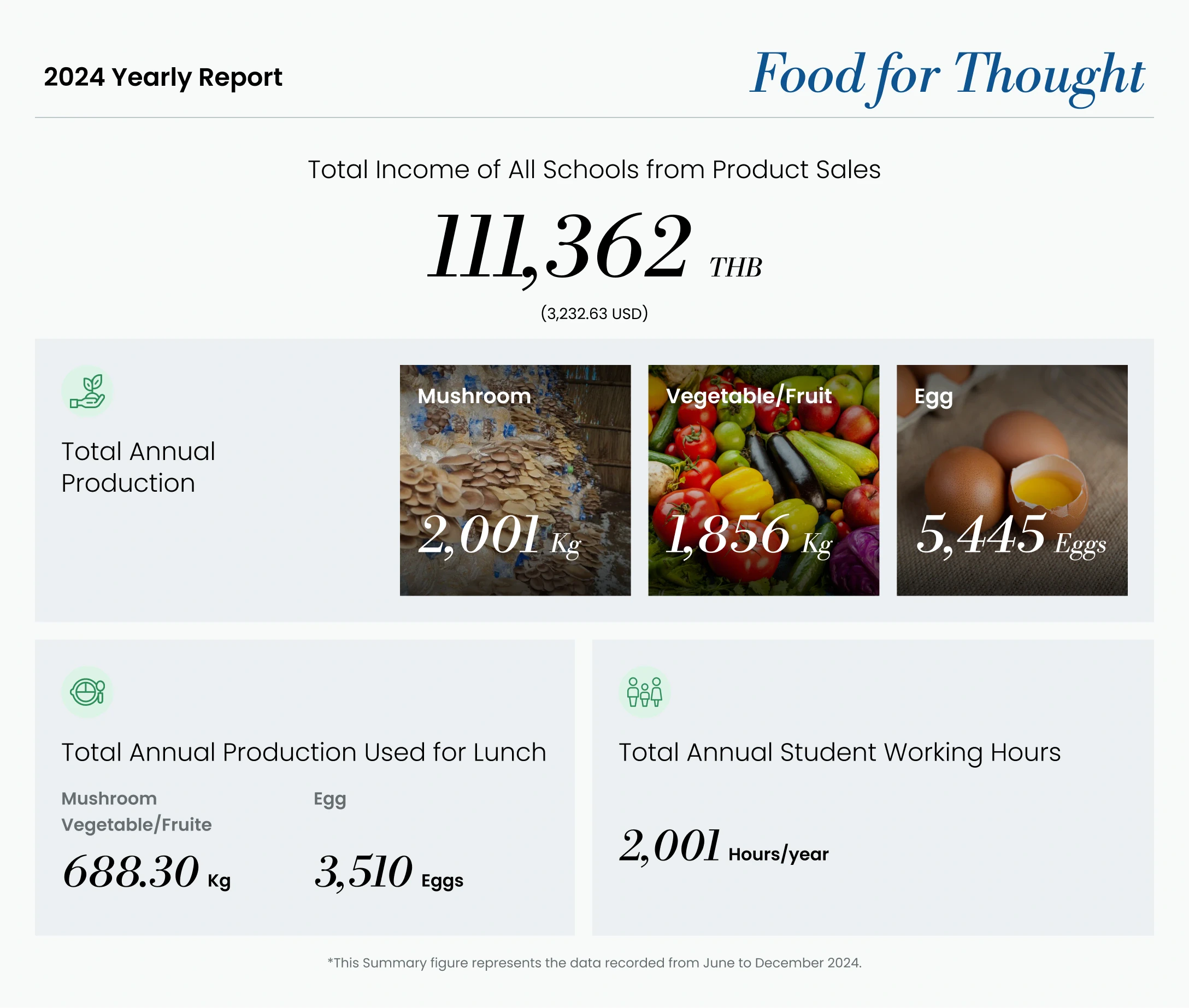
The success of service learning cannot be measured solely by the number of students who participate. It should also be measured by what remains afterwards. Across our programmes we monitor outcomes that extend beyond the visit itself, including environmental restoration, community capacity, educational partnerships and student learning.
The numbers tell only part of the story, but they help demonstrate that meaningful contribution is both measurable and sustainable.
A Project That Keeps Growing
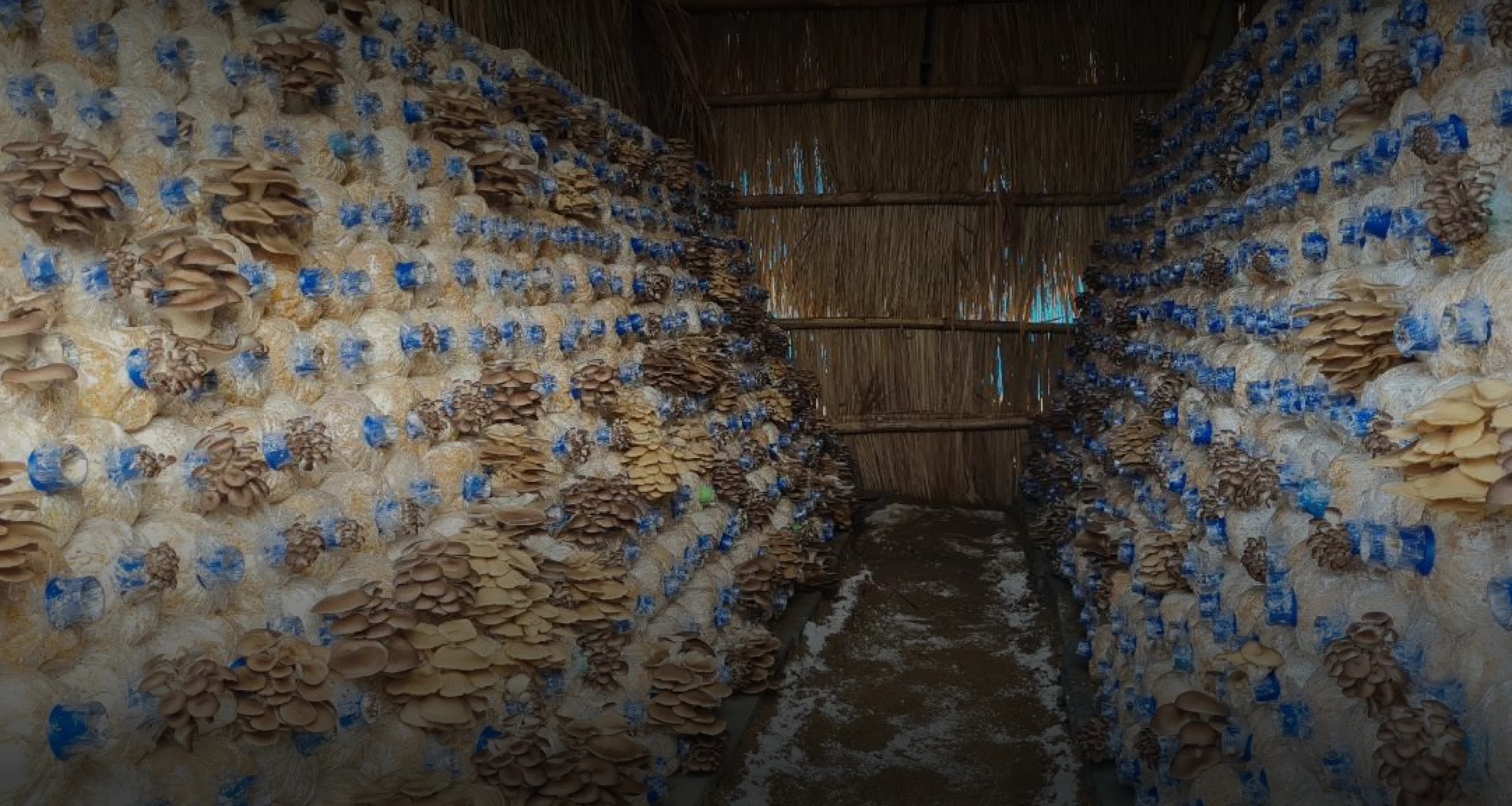
Food For Thought
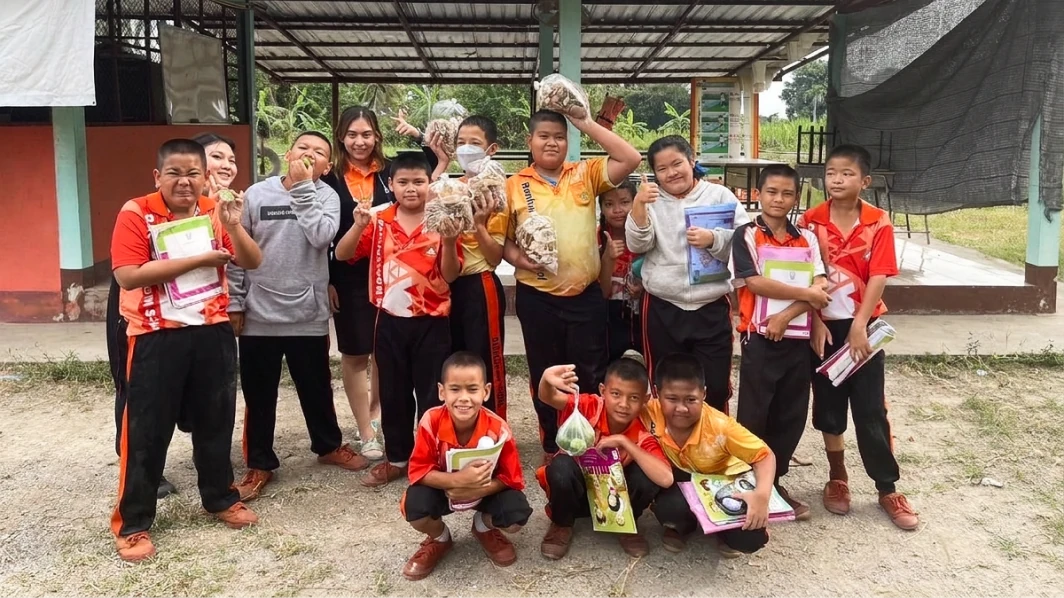
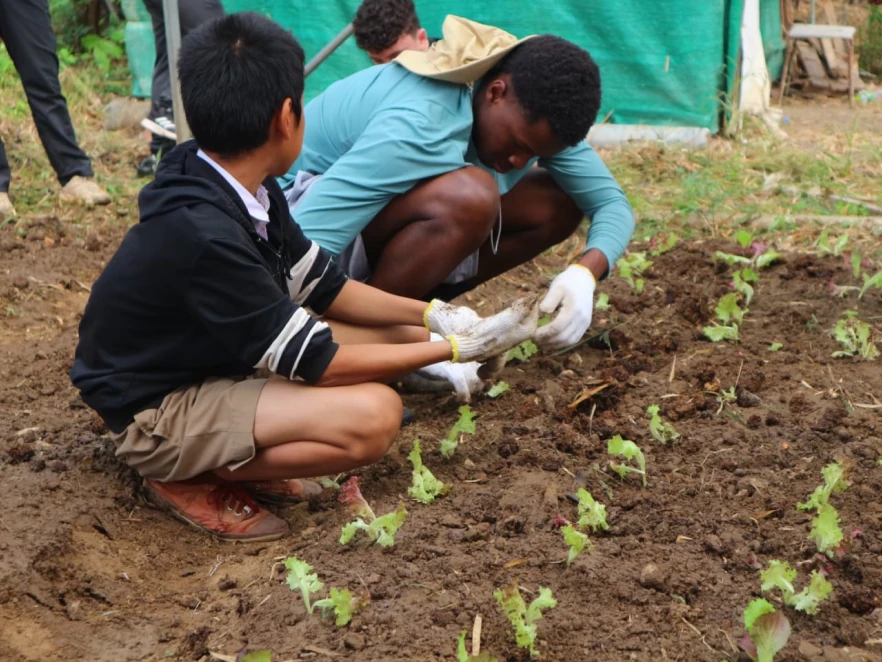
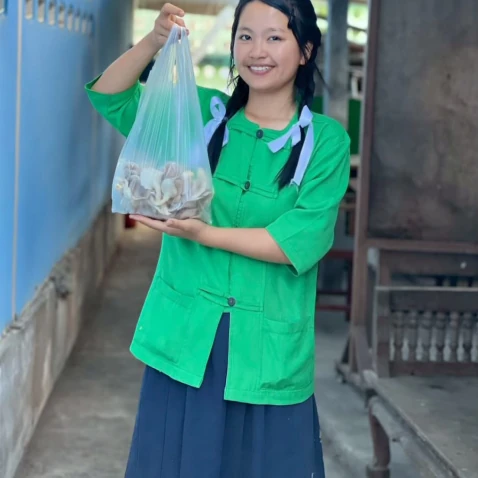
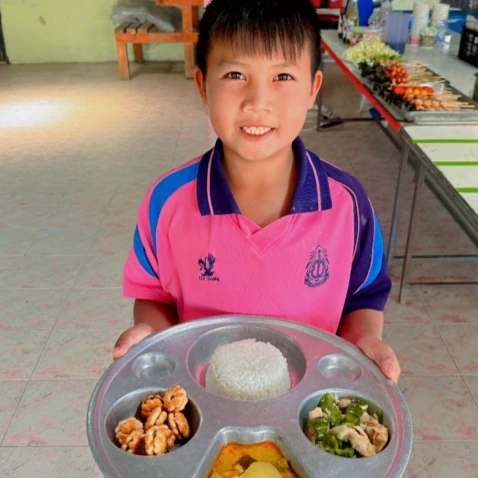
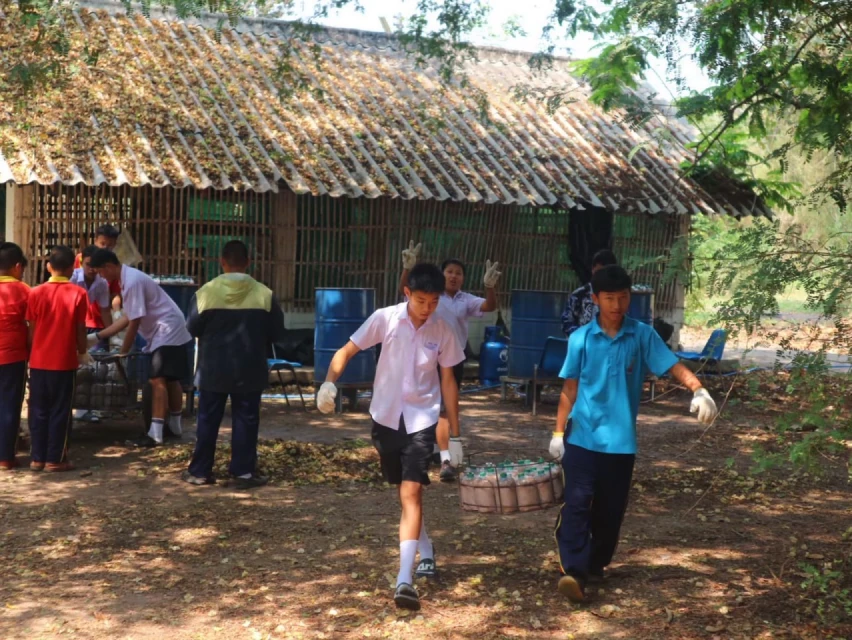
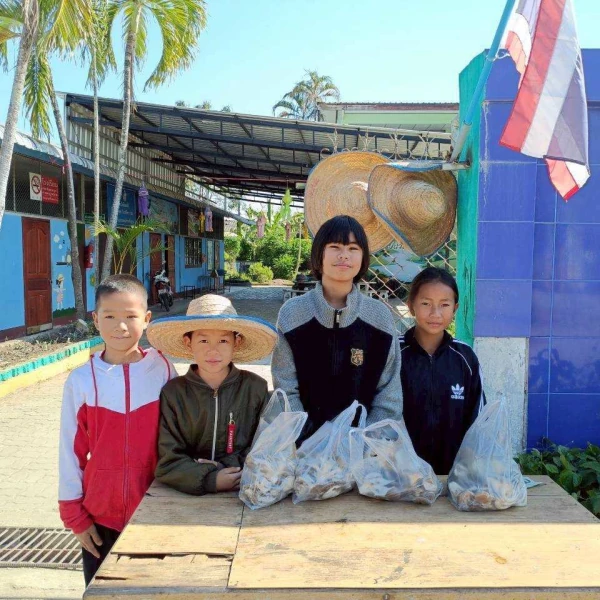
Food For Thought began with a simple idea. If schools could grow more of their own food, they could improve nutrition, create practical learning opportunities and generate additional income for future development. Today, participating schools continue producing vegetables, mushrooms and other crops long after each programme has ended. Students contribute labour, ideas and learning during their visit, but ownership always remains with the schools themselves. Each group builds upon the work of those before them, demonstrating that meaningful service learning is cumulative rather than temporary.
Creating Value in Three Directions
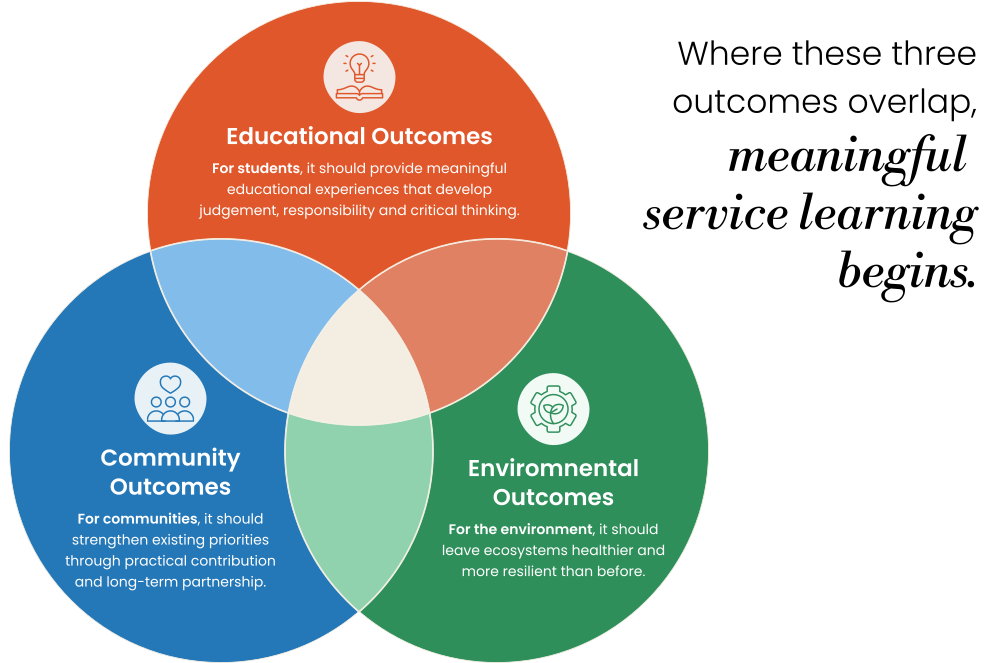
Every service learning programme should create value in more than one place.
Frequently Asked Questions
Projects begin with conversations with local partners, schools and community leaders. We only support initiatives that address priorities already identified by the communities themselves.
It is more accurate to describe it as educational participation. Students contribute to genuine community projects while developing a deeper understanding of sustainability, systems thinking and responsible global citizenship.
Each project uses different measures depending on its objectives, including environmental monitoring, community outcomes and educational reflection. Where possible, we track progress over multiple years.
Yes. Many projects align naturally with CAS, geography, environmental systems, biology and wider service learning objectives while remaining adaptable to individual school priorities.
Many do. Returning schools often contribute to the ongoing development of projects, allowing students to observe change over time rather than beginning again each year.
